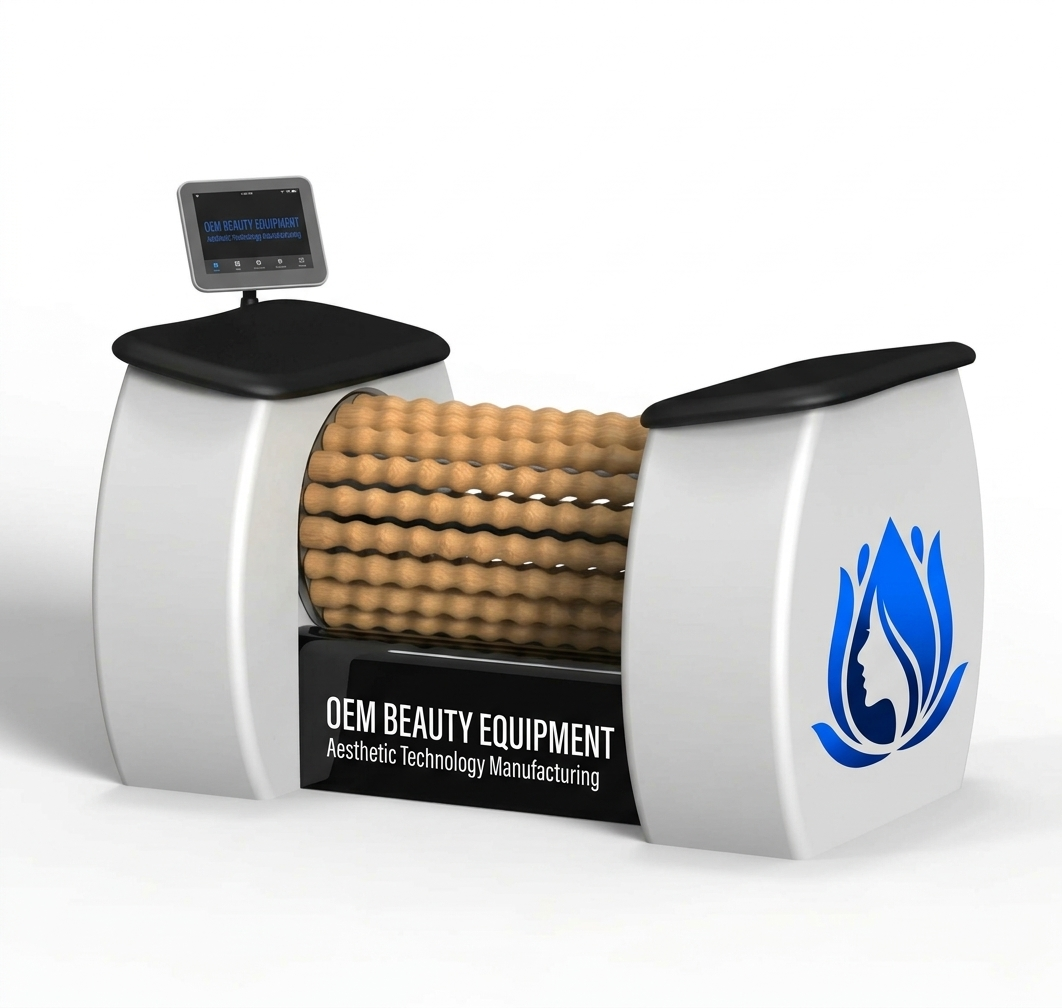
In modern aesthetic medicine and longevity recovery clinics, the lymphatic system has emerged as the critical frontier. Unlike the cardiovascular system, which relies on the heart as a central muscular pump, the lymphatic network depends entirely on skeletal muscle contraction and external compression to mobilize fluid.
1. The Biomedical Mechanism of Rotational Compression
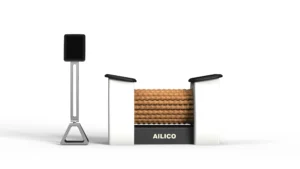
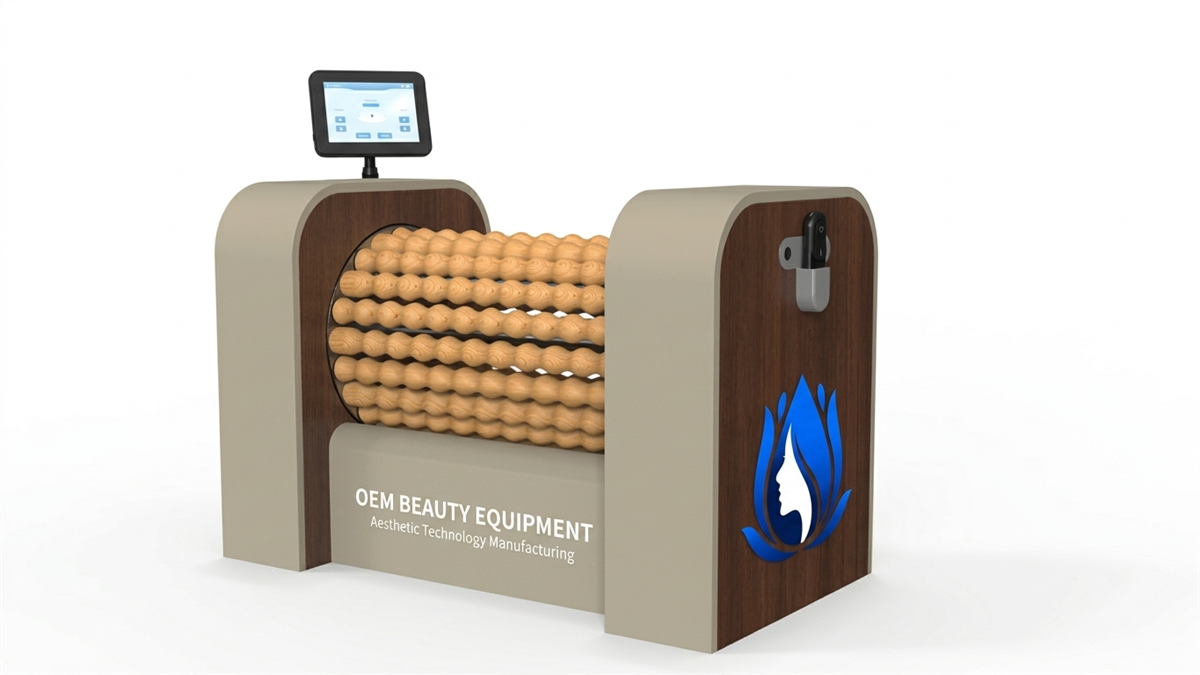
The commercial Roll Shaper operates on the established therapeutic principles of Mechanical Lymphatic Drainage Therapy (MLDT). As the motorized drum rotates at calibrated velocities between 30 and 85 RPM, the anatomical hardwood spindles exert sequential, rhythmic pressure against subcutaneous fat layers.
“Mechanical rotational stimulation stimulates initial lymphatic capillaries, creating a transient pressure gradient that accelerates lymphangion contraction rates by up to 340% compared to passive resting states.”
2. Far-Infrared (FIR) Photothermal Synergy
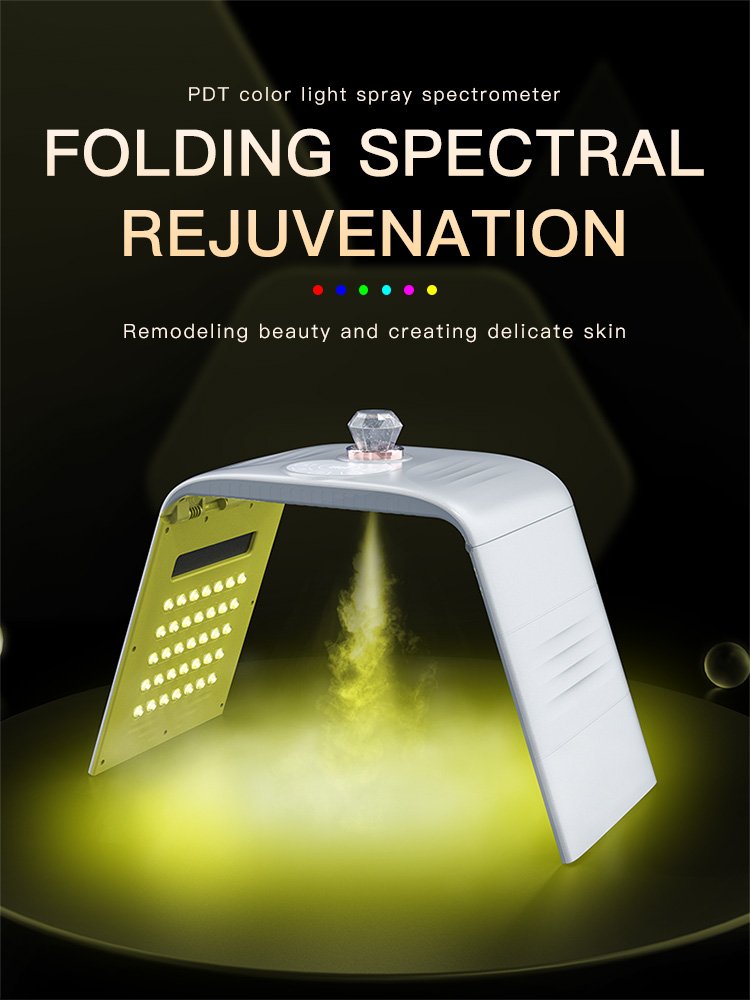
What elevates the modern Roll Shaper beyond traditional timber rollers is the integration of targeted Far-Infrared (FIR) thermotherapy emitting at 850nm wavelengths. These wavelengths penetrate 25 to 35mm beneath the epidermal barrier into the subdermal adipose matrix.
- Vasodilation & Capillary Recruitment: Microvascular blood flow increases by over 200%, accelerating oxygen delivery to depleted muscular tissues.
- Fibrous Septae Softening: Rigid collagenous bands tethering the skin down over adipose globules soften, visibly smoothing cellulite dimpling.
- Lactic Acid Dissipation: Post-workout lactic acid and metabolic by-products are rapidly flushed through regional lymph nodes.
3. Clinical Results & Franchise Economics
In observational studies across 240 commercial fitness and medical spa subjects undergoing two 45-minute Roll Shaper sessions weekly over 6 weeks, 92% demonstrated measurable thigh and abdominal circumference reduction while clinics operated with 1 receptionist overseeing 6 stations simultaneously.
Clinical Protocol Summary
A standard 45-minute session guides clients through 15 distinct ergonomic postures — transitioning from feet, calves, hamstrings, and quadriceps up to abdomen, waist, and upper back.