Opening a new treatment room or expanding your menu of services is exciting, but choosing the wrong equipment can tie up your budget for years. Body contouring and wellness technology is a crowded market, and many machines look similar on a spec sheet. This guide walks through what clinic owners, med spa operators and distributors should check before placing an order.
1. Start With Your Treatment Menu, Not the Machine
Before comparing models, decide what you want to offer. Different technologies serve different goals:
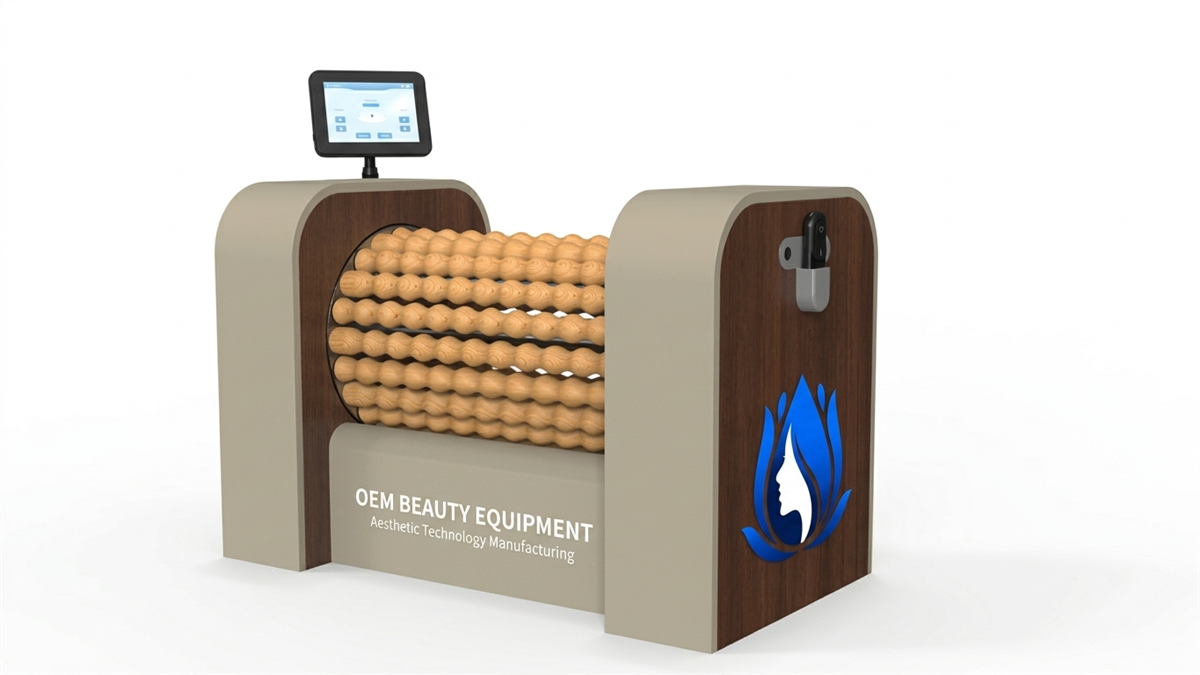
- Lymphatic roll shapers: motorized wooden-roller systems that combine rhythmic massage with infrared warmth. They suit studios that want relaxing, low-intervention body treatments and quick turnaround between clients.
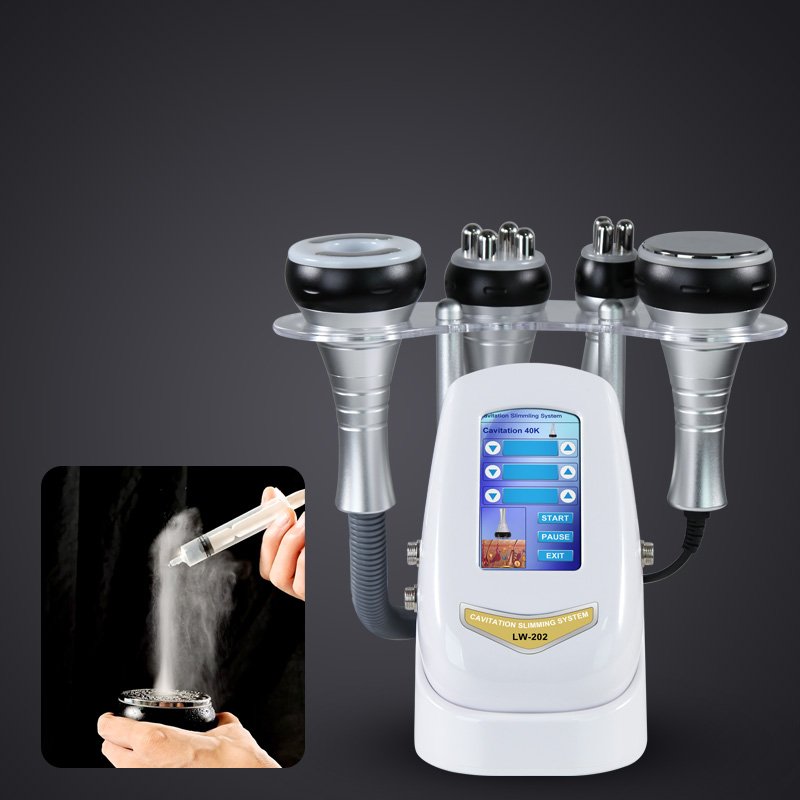
- Cavitation and radiofrequency (RF) systems: ultrasonic cavitation, multipolar RF and vacuum handpieces in one workstation. These are popular for body contouring and skin-tightening packages.
- HIFEM-EMS devices: focused electromagnetic technology used for muscle toning and pelvic-floor programs, often delivered in a chair or paddle format.
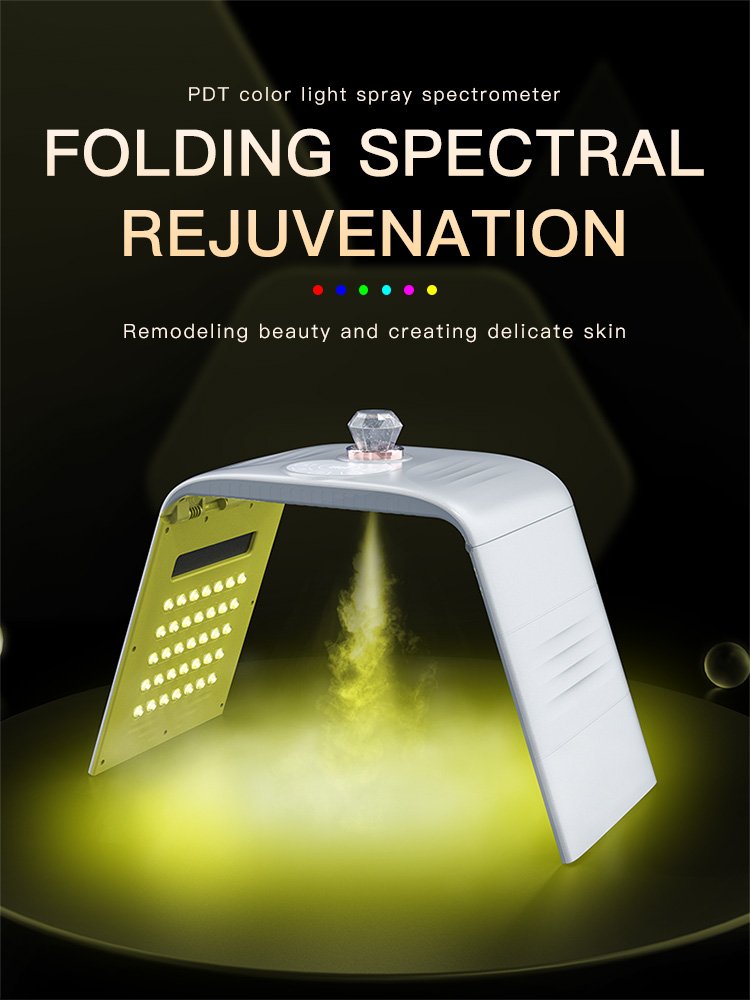
- LED phototherapy: light-based masks and spectrometers for facial care routines and add-on services.
- Multi-head sculpting devices: machines with several treatment heads for scraping, massage and shaping routines that can serve more than one client area.
A clear treatment menu keeps you from buying features you will never use, and it helps you build packages your clients will actually purchase.
2. Verify Certifications, Don’t Just Read Them
Many suppliers list ISO and CE marks on their websites. Treat that as the start of your due diligence, not the end. Ask the manufacturer for:
- Copies of the ISO 13485 and CE certificates, including certificate numbers and issuing bodies
- The exact models covered by each certificate (a certificate for one device does not automatically cover the whole catalog)
- Test reports or technical files relevant to your market
Regulations differ by country. Devices that can be sold freely in one region may need extra registration or classification elsewhere, so check your local requirements with a regulatory professional before importing.
3. Look at Build Quality and Testing
Equipment in a busy clinic runs for hours every day. Ask how the factory tests its machines before shipping. Useful questions include:
- Is there a burn-in test for motors and electronics, and how long does it run?
- Are machines calibrated and inspected individually before dispatch?
- Can you see the production line through a live video inspection?
Beauty Equipment Shop states that every Roll Shaper unit goes through a 72-hour motor burn-in plus electronic calibration and finishing checks before export, and it offers live video inspections. Whatever supplier you choose, a factory that welcomes this kind of scrutiny is a good sign.
4. Understand the Warranty and Support
A low price loses its appeal quickly if a part fails and the machine sits idle for weeks. Before you buy, confirm:
- Warranty length and scope (which parts, labor and shipping are covered)
- How replacement parts are dispatched and how long delivery takes
- Whether video or remote engineering support is available in your time zone
- Whether manuals and training materials are provided in your language
This manufacturer advertises a 3-year commercial warranty with global parts support and video engineering assistance. Ask for the written terms so you know exactly what is included.
5. Consider OEM and Private Label Options
If you run a franchise, a clinic chain or a distribution business, branding matters. Factory-direct OEM programs can let you customize:
- Chassis colors (including Pantone matching)
- Laser-engraved or embossed logos
- Software splash screens and interface language
- Packaging and user manuals
Custom branding turns a generic machine into a product that carries your name. Ask about minimum order quantities, lead times and artwork requirements up front, so there are no surprises.
6. Plan Logistics and Total Cost
The unit price is only one part of your investment. Build a full cost picture that includes:
- Shipping method and whether DDP (delivered duty paid) is offered, so customs and import duties are handled for you
- Voltage and plug standards for your country
- Consumables and replacement applicators (some systems advertise zero consumable overhead, so confirm this for your model)
- Staff training time
- Return on investment: how many sessions per month you need to cover the purchase
Start with a sample or single-unit order if the supplier allows it. Beauty Equipment Shop lists a minimum order of one unit, which lets you test a machine in your own treatment room before committing to volume.
7. Be Realistic About Results
Clients respond differently to every treatment, and marketing language such as “fat-blasting” can set expectations too high. Train your team to explain what each device does, what a typical course looks like and what results are realistic. Honest consultations build repeat business and protect your reputation. Clinical claims should always match the evidence and regulations in your region.
A Quick Checklist Before You Order
📋 A Quick Checklist Before You Order
- ✓
Do I know which treatments this machine will support? - ✓
Have I seen the certificates for this exact model? - ✓
Do I understand the warranty in writing? - ✓
Have I confirmed shipping, duties and voltage? - ✓
Have I asked for a sample order, video inspection or demo? - ✓
Do I have a plan for staff training and client education?
Ready to Compare Models?
Beauty Equipment Shop supplies lymphatic roll shapers, cavitation and RF slimming systems, HIFEM-EMS devices, LED phototherapy equipment and multi-head body sculpting machines to clinics, fitness centers and distributors worldwide, with OEM and private label options. To receive a wholesale price sheet, shipping estimate and customization details, send an inquiry through the website’s quote form, by email at sales@beautyequipmentshop.com, or on WhatsApp at +86 133 9248 6869.
Clinical Protocol Summary
A standard 45-minute session guides clients through 15 distinct ergonomic postures — transitioning from feet, calves, hamstrings, and quadriceps up to abdomen, waist, and upper back.

Blue Beauty Multipolar RF Face & Body Massage Machine
Dr. Elena Vance
Senior Biomedical Engineering Specialist & Clinical ConsultantSpecializes in non-invasive aesthetic physical therapy, biomechanical rehabilitation engineering, and commercial clinic operational systems.